
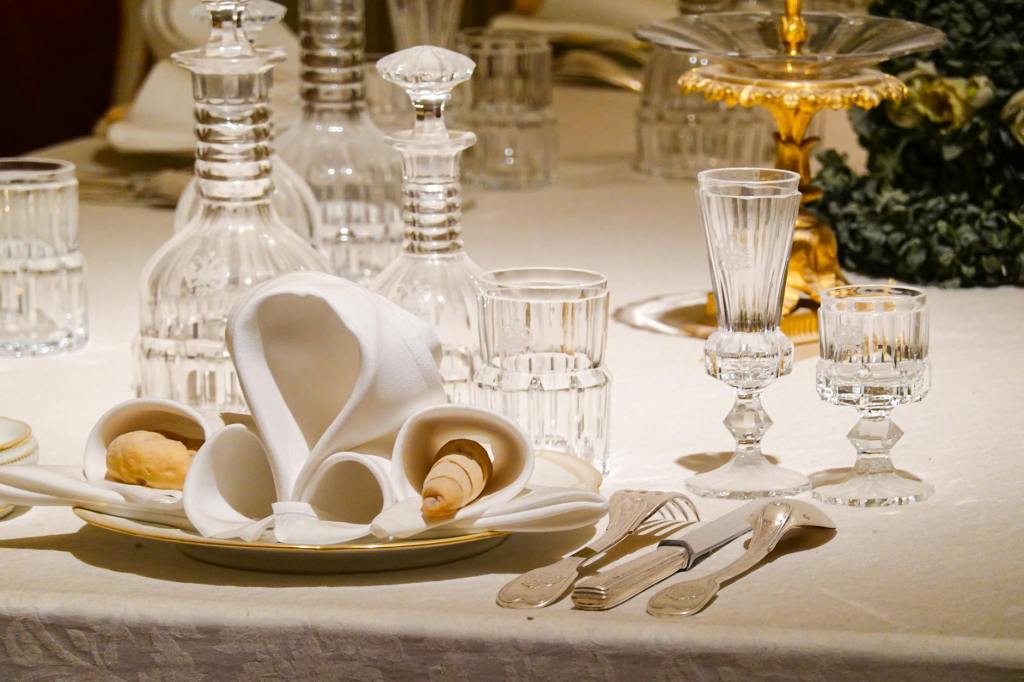
There is a familiar moment that arrives at most formal dinner parties. It happens just after everyone has taken their seat, napkins folded neatly in laps, wine poured to the proper level. The host finally exhales, the table is complete, and the evening officially begins.
It is elegant. It is intentional. And yet, it often marks the point where people settle into versions of themselves that are just a little more careful than usual.
Formal dinners are beautiful, but they rarely invite vulnerability. Casual hosting, on the other hand, creates the conditions where real friendship has room to grow.
Formality Encourages Performance, Not Presence
Formal dinners come with a quiet script. Guests dress with intention. Conversation stays polite. Compliments are offered generously and expected in return. Everyone knows where they are supposed to sit and how long they are supposed to stay.
None of this is wrong. In fact, formality can feel comforting. It provides structure, predictability, and a sense of occasion. But it also reinforces roles. There is a host and there are guests. There is a sense of being observed, even if no one is judging.
When people are conscious of doing things “correctly,” they tend to share less freely. Conversations stay surface-level. Laughter is measured. Pauses feel more noticeable. The environment, while lovely, keeps everyone slightly on guard.
Friendship, however, deepens when people feel free to show up as they are, not as they think they should be.
Casual Hosting Lowers Emotional Defenses
Casual gatherings send a very different message. When the setting feels relaxed, people intuitively soften. Shoes are kicked off without ceremony. Someone refills their own glass without hesitation. A conversation drifts from the table to the kitchen and back again.
These moments may seem insignificant, but they communicate something powerful: you are welcome here without conditions.
Casual hosting removes the invisible pressure to perform. Guests don’t feel the need to say the right thing, stay perfectly on topic, or maintain a polished version of themselves. Instead, they become present, not just physically, but emotionally.
It is in that ease that people begin to connect more honestly.
Participation Creates Belonging
One of the most striking differences between formal and casual gatherings is how people engage with the space. Formal dinners are often something guests attend. Casual gatherings are something guests participate in.
When someone helps finish a dish, wanders into the kitchen mid-conversation, or sits on the floor playing with a child or a pet, they are no longer simply being hosted, they are part of the experience.
Participation creates a sense of shared ownership. Instead of watching the evening unfold, guests help shape it. This shared involvement, however small, strengthens bonds. It turns a gathering into a collective memory rather than a hosted event.
Friendship grows when people feel included, not managed.
Frequency Matters More Than Occasion
Formal dinners require a certain level of readiness. They demand planning, preparation, and recovery time. As a result, they tend to happen infrequently, reserved for holidays, milestones, or moments that feel worthy of the effort.
Casual hosting, by contrast, fits more naturally into everyday life. It allows for spontaneity. A simple text. A last-minute invite. A shared meal that wasn’t originally meant to be shared.
Because casual gatherings are easier to host, they happen more often. And it is consistency, not spectacle, that builds strong friendships.
Relationships deepen through repeated moments of connection, not through rare, perfectly executed evenings.
Casual Spaces Make Room for Real Life
Life is not always tidy, and casual hosting doesn’t pretend otherwise. Children interrupt conversations. Pets wander through rooms. The house reflects the season of life the host is in.
Instead of hiding these realities, casual hosting embraces them. It allows guests to see one another as whole people, not just curated versions.
When people are invited into each other’s real lives, something shifts. There is less comparison and more understanding. Less judgment and more empathy. Friendships become grounded in reality rather than idealized moments.
The Table Becomes a Gathering Point, Not a Stage
Casual hosting does not mean thoughtless hosting. It simply shifts the focus. Food is chosen to support the flow of conversation, not dominate it. Seating encourages movement rather than rigidity. The pace of the evening allows moments to unfold naturally.
The table is still central, but it no longer feels like a performance space. It becomes a place to return to, not a place to remain fixed.
This flexibility allows connection to evolve organically, without the pressure of a perfectly timed experience.
Why Casual Gatherings Leave People Feeling Closer
At the end of a casual gathering, people often linger. Goodbyes stretch longer than expected. Guests leave feeling lighter, more connected, and genuinely glad they came.
They may not remember every dish that was served, but they remember how they felt. Seen. Comfortable. Included.
Casual hosting creates an atmosphere where people don’t need to be impressive, only present.
Hosting That Builds Friendship Is About Intention, Not Effort
The strength of casual hosting lies in its simplicity. It removes friction. It lowers expectations. It creates space for people to show up honestly.
When hosting feels accessible, it becomes habitual. When it becomes habitual, relationships deepen without force.
That is the quiet power of gathering casually.
A Final Thought
If the goal is stronger friendships, there is no need for elaborate menus or perfect tablescapes. What matters most is the willingness to invite people into your everyday life, as it is, not as you wish it were.
Because the gatherings people carry with them are not the most polished ones.
They are the ones where they felt at home.
 Well Gathered Here
Leave a comment